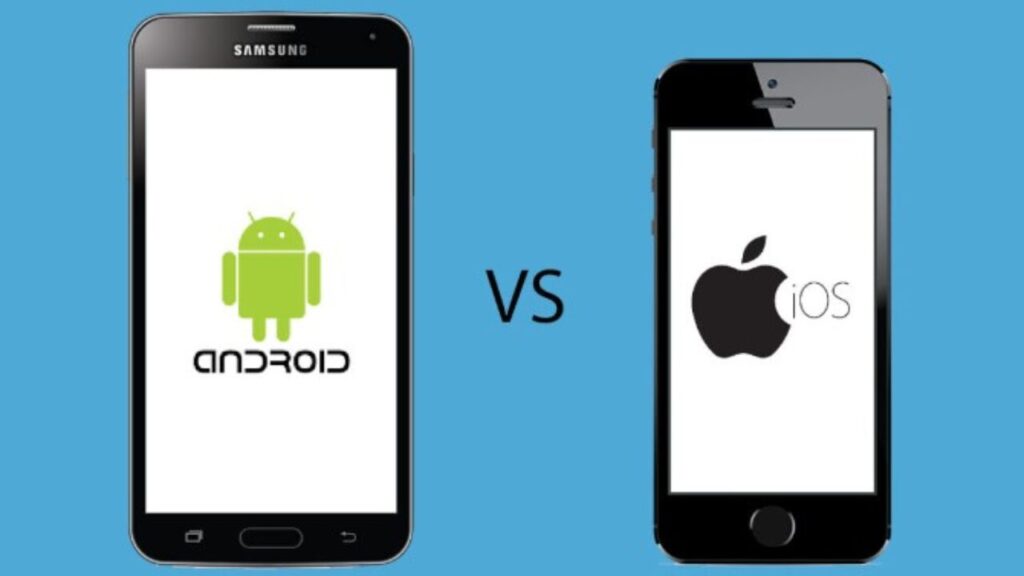

In the realm of smartphones, the debate between Android and iPhone users has been a long-standing one. Both platforms have their unique strengths and cater to different types of users. This article will explore the key differences between Android and iPhone, helping you understand what sets these two giants apart.
Operating System
Android
Android, developed by Google, is an open-source operating system that powers a wide variety of devices from different manufacturers such as Samsung, Google, OnePlus, and Xiaomi. This diversity offers users a broad range of options in terms of design, features, and price points.
iPhone
iPhone, on the other hand, runs on iOS, Apple’s proprietary operating system. iOS is exclusive to Apple devices, including the iPhone, iPad, and iPod Touch. Apple’s control over both the hardware and software results in a more unified and consistent user experience across all its devices.
Customization and Flexibility
Android
One of Android’s biggest strengths is its customization options. Users can personalize their home screens, widgets, and themes extensively. Additionally, Android allows for greater flexibility with app installations, including the ability to sideload apps from outside the Google Play Store.
iPhone
iOS is known for its clean and intuitive interface, but it offers limited customization compared to Android. While iOS 14 and later versions have introduced some customization options like widgets, it still doesn’t match the level of personalization available on Android.
Hardware Variety
Android
Due to its open-source nature, Android is available on a multitude of devices from various manufacturers. This results in a wide range of choices for consumers, from budget-friendly models to high-end flagship phones. Users can choose based on their preferred brand, design, and specific features like camera quality or battery life.
iPhone
Apple maintains strict control over its hardware, resulting in a limited but well-curated selection of devices. Each iPhone model is designed to offer a premium experience, with Apple’s latest technology and build quality. The downside is fewer choices, but the upside is a seamless integration between hardware and software.
App Ecosystem
Android
The Google Play Store, Android’s app marketplace, offers a vast selection of apps. However, the open nature of Android means that there is a higher risk of encountering malicious apps. Google has made strides in improving security, but users need to be vigilant about the apps they download.
iPhone
The Apple App Store is known for its stringent app review process, which ensures that apps meet high standards of quality and security. This results in a safer and more consistent app experience for users. However, this also means that some apps available on Android might not be found on iOS due to Apple’s strict guidelines.
Software Updates
Android
Software updates on Android devices can be inconsistent. While Google releases updates regularly, it’s up to individual manufacturers to push these updates to their devices. This can result in delays, especially for older or less popular models. Google’s Pixel phones are an exception, receiving updates directly from Google in a timely manner.
iPhone
Apple provides software updates directly to all compatible devices simultaneously. This means that iPhone users receive the latest features, security patches, and bug fixes as soon as they are released, regardless of the device model (as long as it supports the update).
Integration with Other Devices
Android
Android offers decent integration with other devices, especially those within the Google ecosystem, like Chromebooks, Android TV, and Google Home products. However, this integration is not as seamless as Apple’s due to the variety of manufacturers and device types.
iPhone
Apple excels in creating a cohesive ecosystem. iPhone users benefit from seamless integration with other Apple products such as Macs, iPads, Apple Watch, and Apple TV. Features like Handoff, AirDrop, and Continuity provide a unified and smooth experience across all Apple devices.
Price Range
Android
Android smartphones cover a wide range of price points, making them accessible to a larger audience. From affordable entry-level phones to expensive flagship models, there is an Android device for every budget.
iPhone
iPhones are generally positioned in the premium segment, with higher starting prices compared to many Android devices. Apple does offer older models at reduced prices and the iPhone SE as a more affordable option, but the overall range is narrower compared to Android.