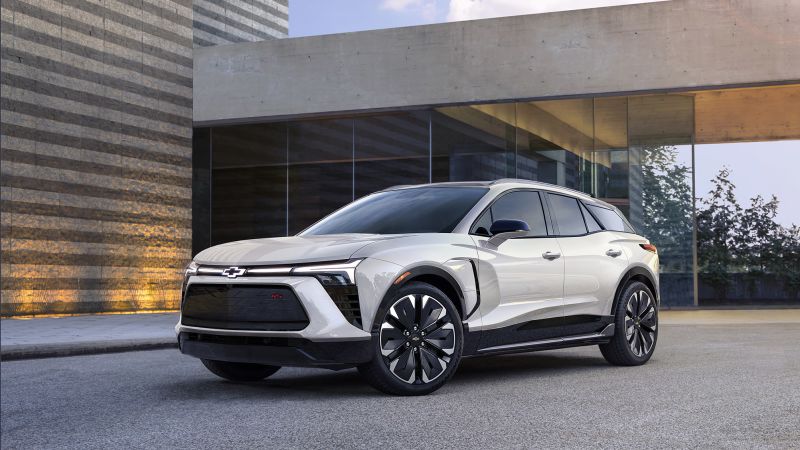

US Government’s Proposal to Boost EV Sales: A Bold Step Towards a Greener Future
The United States government has unveiled a comprehensive proposal aimed at significantly boosting the sales of electric vehicles (EVs) across the country. This ambitious initiative is part of a broader strategy to combat climate change, reduce greenhouse gas emissions, and position the US as a global leader in clean energy technology. This article explores the key components of the proposal, its potential impact on the automotive industry, and the anticipated benefits for the environment and consumers.
Key Components of the Proposal
The proposal includes several measures designed to accelerate the adoption of electric vehicles:
- Increased Incentives and Tax Credits: The government plans to enhance existing tax credits for EV purchases, making them more attractive to consumers. This includes extending the $7,500 federal tax credit and introducing additional incentives for low- and middle-income households.
- Expansion of Charging Infrastructure: To address the issue of range anxiety and improve the convenience of owning an EV, the proposal includes substantial investments in the development of a nationwide network of charging stations. This would ensure that charging infrastructure is readily available in urban, suburban, and rural areas.
- Stricter Emission Standards: The government intends to implement more stringent fuel efficiency and emission standards for new vehicles. This move is expected to encourage automakers to shift their focus towards producing more EVs and fewer internal combustion engine vehicles.
- Support for Domestic Manufacturing: To boost the domestic production of EVs and related components, the proposal includes financial incentives for automakers and suppliers to invest in American manufacturing facilities. This would create jobs and strengthen the US supply chain for critical materials such as batteries.
- Public Awareness Campaigns: Recognizing the importance of public perception and knowledge, the government plans to launch extensive awareness campaigns to educate consumers about the benefits of EVs, including their lower operating costs and environmental advantages.
Impact on the Automotive Industry
The proposal is poised to have a profound impact on the automotive industry:
- Acceleration of EV Adoption: By making EVs more affordable and accessible, the proposal is expected to significantly increase their market share. Analysts predict that EV sales could double or even triple within a few years of the policy’s implementation.
- Innovation and Competition: The push for stricter emission standards and increased consumer demand for EVs will likely spur innovation and competition among automakers. Companies will be incentivized to develop new technologies and models, enhancing the overall quality and performance of EVs.
- Economic Growth: The investment in domestic manufacturing and infrastructure will create thousands of jobs in various sectors, from construction and maintenance of charging stations to the production of vehicles and batteries. This economic boost could be a key driver of post-pandemic recovery.
Environmental and Consumer Benefits
The proposal promises numerous benefits for both rtp mpo4d the environment and consumers:
- Reduction in Greenhouse Gas Emissions: Increasing the number of EVs on the road will directly contribute to reducing carbon emissions from the transportation sector, which is one of the largest sources of greenhouse gases in the US.
- Improved Air Quality: With fewer gasoline-powered vehicles emitting pollutants, air quality in urban areas is expected to improve, leading to better public health outcomes.
- Cost Savings for Consumers: EVs typically have lower maintenance and fuel costs compared to traditional vehicles. The proposal’s incentives will make these cost savings accessible to a broader range of consumers, including those in lower income brackets.
Challenges and Considerations
While the proposal is ambitious, it also faces several challenges:
- Infrastructure Development: Building a comprehensive charging network will require significant time and investment. Coordination between federal, state, and local governments, as well as private companies, will be crucial.
- Supply Chain Issues: Ensuring a steady supply of raw materials for EV batteries, such as lithium and cobalt, is essential. The proposal’s focus on domestic manufacturing aims to address this, but global supply chain dynamics will still play a role.
- Market Transition: The automotive industry will need to navigate the transition from internal combustion engines to EVs. This includes retraining workers, retooling factories, and managing the economic impacts on communities reliant on traditional auto manufacturing.
The US government’s proposal to boost EV sales marks a significant step towards a more sustainable and environmentally friendly future. By providing financial incentives, expanding infrastructure, and supporting domestic manufacturing, the initiative aims to make electric vehicles a mainstream choice for American consumers. While challenges remain, the potential benefits for the environment, economy, and public health make this a bold and necessary move. As the proposal advances, it will be crucial to monitor its implementation and adapt strategies to ensure its success.