
Trump Claims Taiwan Stole America’s Chip Industry
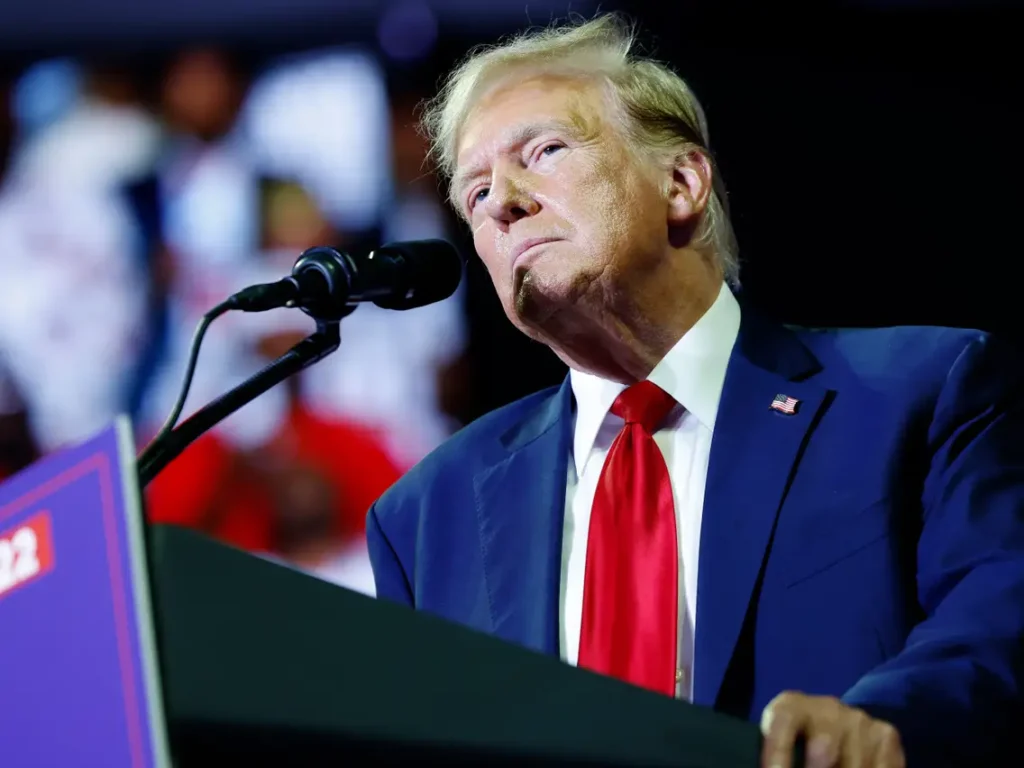
In a bold statement, former President Donald Trump recently accused Taiwan of stealing America’s semiconductor industry. His comments, delivered during a rally, have sparked significant controversy and debate, drawing attention to the complex and highly competitive nature of the global chip market.
Trump’s Allegations
During his speech, Trump alleged that Taiwan has taken over America’s chip manufacturing capabilities, leading to a decline in the U.S. semiconductor industry. He argued that America’s reliance on foreign-produced semiconductors has weakened national security and economic stability, calling for a resurgence of domestic chip production.
“Taiwan has taken our semiconductor industry right out from under us,” Trump stated. “We need to bring these jobs and this critical technology back to the United States.”
The Global Semiconductor Landscape
The semiconductor industry is a vital component of modern technology, underpinning everything from smartphones to advanced military systems. Taiwan, through companies like Taiwan Semiconductor Manufacturing Company (TSMC), has become a dominant player in the global chip market. TSMC is renowned for its cutting-edge manufacturing processes and has consistently been at the forefront of semiconductor innovation.
The U.S. semiconductor industry, historically a global leader, has faced increasing competition from Taiwan and other countries. Factors such as lower manufacturing costs abroad and significant investments in research and development by foreign firms have contributed to the shift in industry dynamics.
Industry Response
Trump’s remarks have elicited varied responses from industry experts and political figures. Some agree with his assessment, emphasizing the need for the U.S. to bolster its semiconductor manufacturing capabilities to reduce dependence on foreign suppliers. They point to recent chip shortages, which have disrupted various industries, as a critical reason for increasing domestic production.
However, others argue that Trump’s comments oversimplify a complex issue. They highlight that the global semiconductor supply chain is highly integrated, with different countries specializing in various aspects of chip design, manufacturing, and assembly. Collaboration and trade within this ecosystem are seen as crucial for innovation and efficiency.
Government and Industry Initiatives
In response to growing concerns about mahjong288 slot semiconductor supply chain vulnerabilities, the U.S. government has taken steps to revitalize the domestic chip industry. The CHIPS and Science Act, signed into law in 2022, allocates billions of dollars to support semiconductor research, development, and manufacturing in the United States. The goal is to enhance national security, create jobs, and maintain technological leadership.
Major American companies, including Intel and GlobalFoundries, have announced significant investments in new manufacturing facilities within the U.S. These efforts aim to increase production capacity and reduce reliance on foreign-made semiconductors.
The Role of Taiwan
Taiwan, for its part, has played a crucial role in advancing semiconductor technology. TSMC’s contributions to the industry have been instrumental in driving progress and innovation. The company continues to invest heavily in research and development, pushing the boundaries of what is possible in chip manufacturing.
Despite Trump’s allegations, experts note that Taiwan’s success in the semiconductor industry is not a result of theft but rather of strategic investments, skilled workforce, and robust infrastructure. The island nation has cultivated an environment conducive to technological advancement and industrial growth.
Trump’s claim that Taiwan stole America’s chip industry has reignited discussions about the future of semiconductor manufacturing and the importance of technological self-sufficiency. While the U.S. faces challenges in regaining its leadership in the sector, collaborative efforts, significant investments, and supportive policies are paving the way for a more resilient and competitive domestic semiconductor industry.
As the global landscape continues to evolve, it is clear that both competition and cooperation will shape the future of the semiconductor market. The U.S. and Taiwan, along with other key players, will need to navigate these dynamics carefully to ensure sustained innovation and security in this critical field.