
The Singularity Is Now. Are We Ready?
Introduction
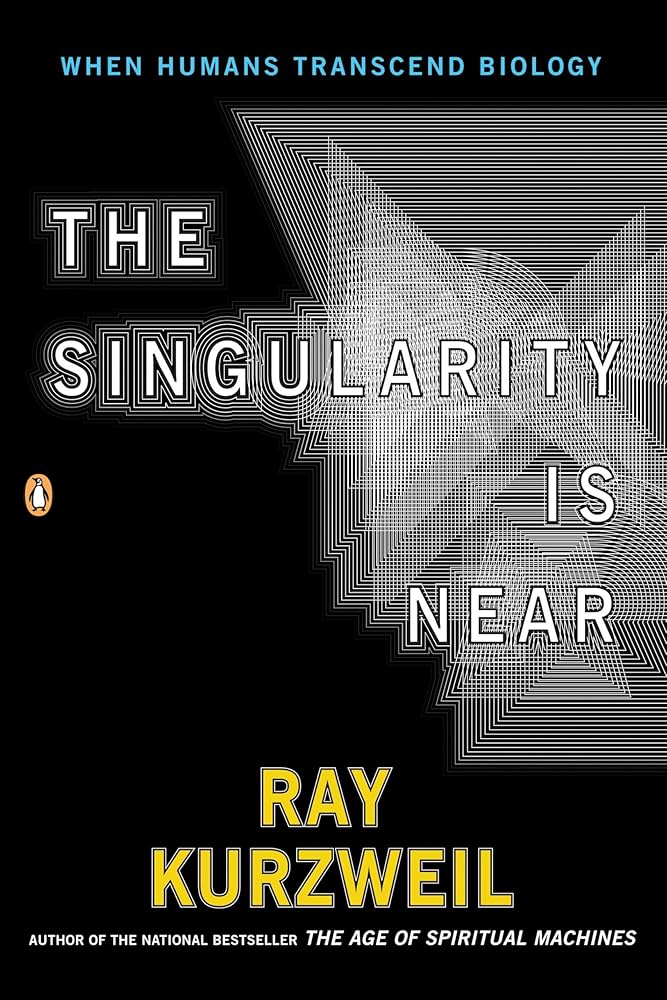
Remember that sci-fi movie where robots suddenly become super intelligent and question humanity’s existence? Or the one where technology evolves so rapidly, it outpaces our ability to understand it? We used to call that “the singularity,” a point in the future, distant and theoretical. But what if I told you it’s not so distant anymore? What if, in a way, it’s already here?
The term “singularity” might still conjure images of sentient AI overlords, but the reality is far more nuanced and, frankly, a little more unsettling. It’s not about a sudden, dramatic event; it’s about the accelerating pace of technological advancement that’s subtly reshaping our world, our jobs, and even ourselves. We’re living in an era where algorithms predict our purchases, AI writes code, and bioengineering pushes the boundaries of human potential. The question isn’t if technology will fundamentally change our lives, but how and how quickly.
The Short-Term Shake-Up: Jobs, Skills, and Inequality
The most immediate impact of this accelerating change is felt in the job market. Automation, powered by AI and robotics, is already transforming industries. Think self-checkout lanes at grocery stores, AI-powered customer service chatbots, and algorithms that can analyze legal documents faster than any lawyer. While these advancements boost efficiency and productivity, they also displace workers in routine, repetitive roles.
The short-term challenge is clear: how do we prepare the workforce for jobs that don’t yet exist? How do we equip people with the skills needed to thrive in an increasingly digital and automated world? The answer isn’t simply retraining everyone to be coders. It’s about fostering adaptability, critical thinking, creativity, and emotional intelligence – skills that are difficult to automate and are increasingly valued in the modern workplace.
We’re also seeing a widening gap between the “haves” and “have-nots.” Those with the skills and resources to leverage new technologies are reaping the rewards, while those without are being left behind. This inequality isn’t just about wealth; it’s about access to opportunities, education, and the tools needed to navigate this rapidly changing landscape.
The Long-Term Ripple Effect: Ethics, Identity, and Control
Looking further down the road, the implications of the singularity become even more profound. As AI becomes more sophisticated, we face complex ethical dilemmas:
- Bias and Discrimination: AI algorithms are trained on data, and if that data reflects existing biases, the AI will perpetuate and even amplify those biases, leading to unfair or discriminatory outcomes.
- Autonomous Weapons: The development of autonomous weapons systems raises serious questions about accountability and the potential for unintended consequences.
- Privacy and Surveillance: Our data is constantly being collected and analyzed, raising concerns about privacy and the potential for mass surveillance and manipulation.
Beyond these ethical considerations, the singularity also challenges our understanding of what it means to be human. As technology blurs the lines between the physical and digital realms, and as we begin to augment our bodies and minds with technology, our very identity could be transformed. Who are we when we can upload our consciousness to a computer? What happens to our sense of self when we’re constantly connected to a global network?
Finally, the question of control looms large. Who gets to decide how these technologies are developed and used? Will it be governments, corporations, or individuals? The answers to these questions will shape the future of humanity.
Navigating the Future: Practical Solutions for Today
So, how do we navigate this complex and uncertain future? The good news is that we’re not powerless. We can take concrete steps to prepare ourselves, our communities, and our societies for the challenges and opportunities that lie ahead. Here are a few practical solutions:
- Embrace Lifelong Learning: The most important skill for the 21st century is the ability to learn and adapt. Invest in yourself and your employees by pursuing continuous education, online courses, and workshops. Focus on developing skills that are difficult to automate, such as critical thinking, problem-solving, creativity, and emotional intelligence.
- Example: Consider platforms like Coursera, edX, or LinkedIn Learning for affordable and accessible online courses. Many offer certificates that can boost your resume and demonstrate your commitment to continuous learning.
- Promote Inclusive Innovation: Ensure that the benefits of technology are shared by everyone, not just a privileged few. Support initiatives that promote digital literacy, provide access to technology for underserved communities, and address bias in AI algorithms.
- Example: Organizations like Girls Who Code and Black Girls Code are working to increase diversity in the tech industry, ensuring that the future of technology is shaped by a wider range of perspectives.
- Foster Ethical AI Development: Advocate for responsible AI development practices that prioritize transparency, accountability, and fairness. Support policies that regulate the use of AI in sensitive areas, such as law enforcement and healthcare.
- Example: The European Union’s AI Act is a groundbreaking piece of legislation that aims to regulate the development and use of AI, ensuring that it is safe, ethical, and respects fundamental rights.
- Cultivate Human Connection: As technology becomes more pervasive, it’s crucial to prioritize human connection. Spend time with loved ones, engage in activities that bring you joy, and cultivate meaningful relationships.
- Example: Join a book club, volunteer in your community, or simply make an effort to have regular conversations with your friends and family.
- Embrace Critical Thinking: In a world of information overload, it’s essential to develop critical thinking skills. Question everything, be skeptical of claims that seem too good to be true, and seek out diverse perspectives.
- Example: Learn to identify common logical fallacies and biases that can distort your thinking. Develop the habit of fact-checking information before sharing it with others.
Alternative Approaches: A Menu of Options
There’s no one-size-fits-all solution to navigating the singularity. Here are a few alternative approaches to consider:
- The Techno-Optimist Approach: This perspective embraces technological progress as inherently beneficial, arguing that it will ultimately solve our problems and create a better future for everyone. Proponents of this view focus on fostering innovation and removing barriers to technological development.
- The Techno-Skeptic Approach: This perspective is more cautious about the potential downsides of technology, emphasizing the need for regulation and careful consideration of ethical implications. Proponents of this view advocate for slowing down the pace of technological development and prioritizing human values.
- The Techno-Humanist Approach: This perspective seeks to integrate technology with human values, emphasizing the importance of using technology to enhance human capabilities and promote human flourishing. Proponents of this view focus on developing technologies that are ethical, sustainable, and aligned with human needs.
The Future Is Not Written: A Call to Action
The singularity isn’t a fixed destination; it’s a process, a journey, a conversation we’re all part of. It’s not something to be feared, but something to be understood and shaped. By embracing lifelong learning, promoting inclusive innovation, fostering ethical AI development, cultivating human connection, and embracing critical thinking, we can navigate the challenges and opportunities of the singularity and create a future that is both technologically advanced and deeply human.
The future is not written in stone. It’s a story we’re writing together, right now. Let’s make it a story worth telling. The time to act is now. The future is ours to create.
