
Friday’s Global Computer Meltdown: What Happened and What It Means
On Friday, the world experienced an unprecedented global computer meltdown that disrupted businesses, government services, and individual users across the globe. This massive technological failure, which some experts are calling the most significant of its kind in recent history, raised serious concerns about the resilience of modern digital infrastructure.
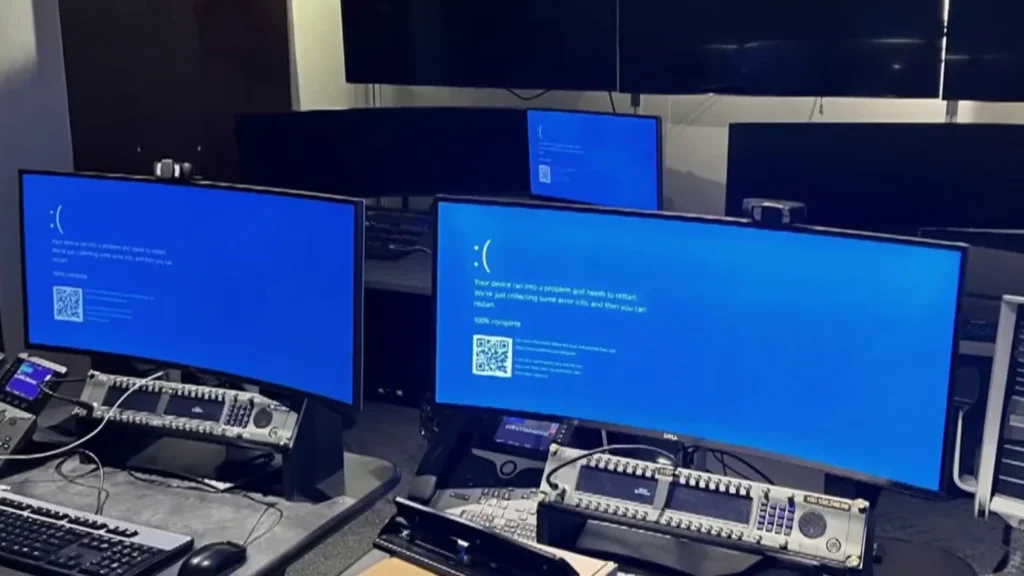
The meltdown began early Friday morning when multiple major computer systems and networks experienced simultaneous failures. The disruption quickly spread, affecting financial institutions, healthcare providers, transportation systems, and other critical sectors. Users reported issues ranging from slow performance and connectivity problems to complete system shutdowns.
Causes of the Meltdown
While the full details are still under investigation, initial reports suggest that the meltdown was triggered by a combination of factors:
- Widespread Software Bug: A critical software bug in a widely used system update appears to have been the primary catalyst. The update, intended to patch security vulnerabilities, instead introduced new flaws that caused systems to crash.
- Cyberattack Suspicions: There is speculation that cybercriminals may have exploited the software bug to launch coordinated attacks, further exacerbating the situation. Authorities are exploring whether the incident was a deliberate act of sabotage.
- Infrastructure Overload: The sudden increase in network traffic as systems attempted to recover may have overwhelmed servers and data centers, leading to cascading failures.
Immediate Impact
The immediate impact of the meltdown was profound:
- Financial Markets: Stock exchanges and trading platforms experienced significant delays and outages, causing market volatility and uncertainty.
- Healthcare Systems: Hospitals and clinics faced challenges accessing patient records and managing appointments, although no critical care services were reported to be compromised.
- Transportation: Airports, train stations, and other transportation hubs dealt with delays and cancellations as their systems went offline.
- Consumer Services: Many online services, including banking, e-commerce, and social media, were disrupted, frustrating millions of users.
Response and Recovery
In response to the meltdown, IT teams worldwide worked tirelessly to restore normal operations. Emergency patches and system rollbacks were implemented to address the software bug. Cybersecurity experts are conducting thorough investigations to determine if any malicious actors were involved.
Governments and private sector organizations are collaborating to improve resilience against future incidents. This includes enhancing monitoring systems, improving backup protocols, and conducting comprehensive security audits.
Lessons Learned
The global computer meltdown serves as a stark reminder of the vulnerabilities inherent in our interconnected digital world. Key lessons include:
- Importance of Robust Testing: Software updates, especially those related to security, must undergo rigorous testing to prevent widespread issues.
- Enhanced Cybersecurity Measures: Organizations must prioritize cybersecurity to defend against potential exploits and attacks.
- Infrastructure Investment: Investment in resilient and scalable infrastructure can help mitigate the impact of such incidents.
- Cross-Sector Collaboration: Effective communication and collaboration between governments, private sector, and cybersecurity experts are essential for rapid response and recovery.
As the world recovers from Friday’s meltdown, there is a renewed focus on strengthening digital infrastructure and cybersecurity measures. This incident underscores the critical importance of preparing for and mitigating the risks associated with our increasingly digital and interconnected society.
In the coming months, we can expect to see increased investments in technology resilience and a greater emphasis on cybersecurity to safeguard against future disruptions. The lessons learned from this event will undoubtedly shape the future of digital infrastructure and security practices globally.


