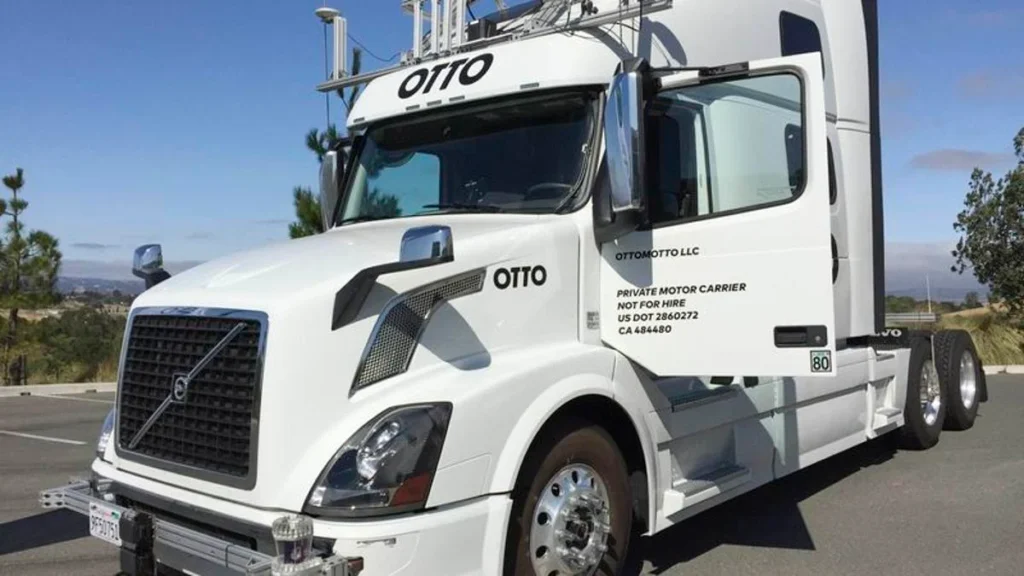

California Issues Draft Regulations for Operating Autonomous Trucks
California, a state that has long been at the forefront of innovation and technology, has taken a significant step towards integrating autonomous vehicles into the logistics industry. In a major development, the state’s Department of Motor Vehicles (DMV) has issued draft regulations that would govern the operation of autonomous trucks on public roads. These regulations, which are still subject to public comment and revision, are seen as a critical move in shaping the future of transportation and commerce in one of the world’s largest economies.
The Growing Need for Autonomous Truck Regulations
The rise of autonomous vehicle technology has created a growing need for comprehensive regulations to ensure safety, efficiency, and legal clarity. California has been a hub for autonomous vehicle development, with tech companies and automakers conducting extensive testing on the state’s roads. Until now, much of the regulatory focus has been on self-driving cars and smaller vehicles. However, as the technology matures, attention has shifted to larger commercial vehicles like trucks.
Autonomous trucks are seen as a potential game-changer for the logistics and freight industries. They promise to reduce costs, improve efficiency, and address the ongoing shortage of human drivers. However, they also raise significant safety concerns, given the size and complexity of commercial vehicles, particularly on busy highways.
Key Provisions of the Draft Regulations
The draft regulations issued by the California DMV outline several key provisions that companies must adhere to if they wish to deploy autonomous trucks on the state’s roads. These provisions aim to balance innovation with public safety and include the following:
- Licensing and Permitting: Companies seeking to operate autonomous trucks will be required to obtain special permits from the DMV. These permits will be contingent on meeting specific safety standards and demonstrating that their vehicles can operate reliably without human intervention.
- Safety Requirements: The regulations emphasize rigorous safety protocols. Autonomous trucks must be equipped with advanced sensor systems, redundancy in critical systems, and the ability to respond to emergency situations. Companies will also be required to provide detailed safety assessments and testing data before their vehicles can be deployed.
- Human Oversight: Although the goal is for trucks to operate autonomously, the draft regulations require that a remote operator be available to take control of the vehicle in certain situations. This requirement reflects concerns about the readiness of fully autonomous technology for complex and unpredictable real-world scenarios.
- Data Reporting: Companies will need to submit regular reports to the DMV on the performance of their autonomous trucks. These reports will cover data on accidents, system malfunctions, and miles driven, helping regulators monitor the safety and effectiveness of the technology over time.
- Geofencing: To ensure safe operation, the regulations propose geofencing requirements, which would limit where autonomous trucks can operate. This could restrict the use of these vehicles to specific highways, industrial areas, or designated routes, at least in the initial phases of deployment.
Industry Reactions: Opportunities and Challenges
The release of the draft regulations has sparked a range of reactions from industry stakeholders. Many technology companies and logistics firms see the move as a positive step toward bringing autonomous trucks to market. They argue that autonomous trucks could revolutionize the supply chain by reducing labor costs, increasing operational hours, and mitigating the impact of driver shortages.
However, there are also concerns about the complexity of complying with the new rules. For smaller companies and startups, meeting the rigorous safety standards and obtaining the necessary permits could prove challenging. Additionally, the requirement for human oversight and geofencing may limit the efficiency gains that fully autonomous trucks could potentially offer.
The trucking industry itself has expressed both optimism and caution. While some see autonomous trucks as an inevitable part of the future, others worry about job displacement for truck drivers and the readiness of the technology to handle the diverse conditions of California’s roads.
Public Safety and Environmental Impact
One of the primary motivations behind the draft regulations is to ensure public safety as this technology develops. Autonomous trucks have the potential to reduce accidents caused by human error, which is a leading factor in many collisions. However, ensuring that these vehicles can safely coexist with traditional human-driven vehicles is a key concern.
Environmental impact is another significant consideration. Autonomous trucks, particularly electric or hybrid models, could help reduce emissions and improve fuel efficiency. California, a leader in environmental regulation, is likely to focus on how these vehicles can contribute to the state’s ambitious climate goals.
The Road Ahead: Public Comment and Revision
The draft regulations are not yet final. The DMV has opened the proposal to public comment, allowing stakeholders, industry experts, and members of the public to weigh in on the rules. This period of feedback will be crucial in shaping the final version of the regulations, which are expected to be released later in the year.
The path forward for autonomous trucks in California is still being paved, but these draft regulations represent a significant milestone. As the state continues to lead in technological innovation, how it balances safety, economic growth, and environmental concerns will likely serve as a model for other states and countries looking to regulate autonomous vehicles.
Conclusion
California’s draft regulations for autonomous trucks are a pivotal step in the evolution of the logistics industry. By establishing a framework for the safe operation of these vehicles, the state is positioning itself at the forefront of a technology that could reshape transportation. While challenges remain, the potential benefits—ranging from economic efficiency to environmental gains—make this a development worth watching closely. As the public comment period unfolds, the final regulations will reveal how California plans to navigate the complex and exciting future of autonomous trucking.