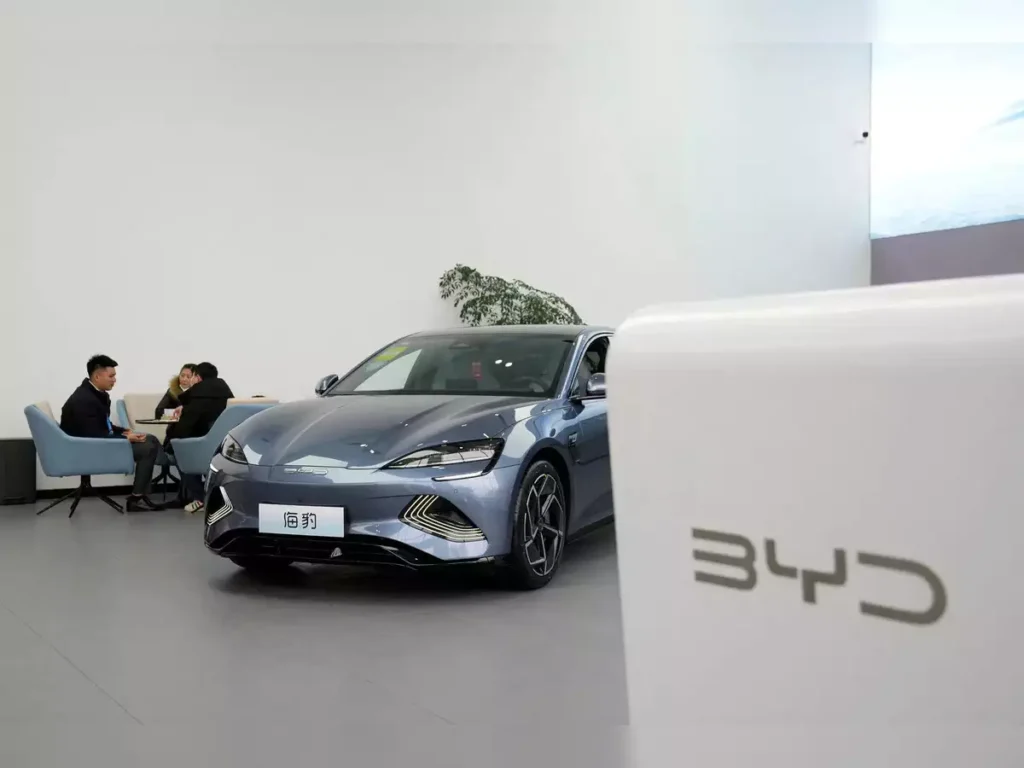

Chinese electric vehicle (EV) giant BYD has announced a recall of 97,000 units of its top-selling models due to a steering component fault, as confirmed by the country’s top market regulator. The recall is part of BYD’s efforts to address potential safety concerns related to the steering system, which could affect vehicle control and driver safety.
The Issue: Steering Component Defect
According to a statement from China’s State Administration for Market Regulation (SAMR), the recall affects models that were found to have faulty steering components. These components could experience excessive wear, leading to possible steering issues such as reduced control or even steering failure in extreme cases.
The fault involves the steering knuckle, a critical part of the suspension system that connects the wheel to the steering mechanism. Defects in this component may compromise the vehicle’s handling, particularly at high speeds or when making sharp turns. BYD is conducting the recall to inspect and replace the faulty parts, ensuring that affected vehicles meet safety standards.
Models Affected and Recall Details
The recall primarily targets BYD’s best-selling EV models, including its popular Han and Tang series, which have been widely successful both domestically and in international markets. These models have helped solidify BYD’s position as a leader in the electric vehicle industry, with strong sales figures and growing global recognition.
Vehicles manufactured between September 2022 and March 2023 are primarily affected by the recall. Owners of these vehicles are being contacted directly by BYD, and the company has set up dedicated service centers to handle inspections and repairs. The process involves checking the steering knuckle for defects and replacing it if necessary, free of charge.
Impact on BYD and the EV Market
BYD’s recall comes at a time when the company has been riding a wave of success in both the Chinese and international EV markets. As one of the world’s largest producers of electric vehicles, BYD’s recall could temporarily disrupt its growth trajectory but is unlikely to have a long-term impact on its position as a leading EV manufacturer.
Despite the recall, BYD continues to report strong sales figures. In 2023, the company surpassed major competitors like Tesla in several key markets, particularly in China, where government incentives and a growing demand for green vehicles have propelled the company to record-breaking sales.
However, the recall highlights the growing challenges automakers face in ensuring the reliability and safety of advanced electric vehicles. As the industry continues to evolve and more complex components are integrated into EVs, maintaining stringent quality control will be critical to sustaining consumer trust.
BYD’s Response and Commitment to Safety
BYD has been proactive in addressing the issue, working closely with regulators to ensure a smooth recall process. The company released a statement acknowledging the defect and reaffirming its commitment to customer safety.
In its statement, BYD noted that it would prioritize the replacement of defective parts and perform a full safety inspection of the vehicles involved. “We are committed to resolving this issue swiftly and ensuring the safety and satisfaction of our customers,” BYD said.
The company’s quick response to the regulator’s findings reflects a broader trend among automakers to prioritize transparency and responsiveness when safety issues arise. In an increasingly competitive market, how companies manage recalls can significantly impact their reputation and customer loyalty.
The Bigger Picture: EV Safety and Regulation
As electric vehicles continue to gain traction globally, recalls related to safety issues like this one highlight the importance of robust oversight and regulation. Governments and regulatory bodies worldwide are stepping up efforts to ensure that the rapid adoption of electric vehicles does not come at the expense of safety.
China, the world’s largest EV market, has been particularly vigilant in enforcing safety standards. The government has established strict guidelines for vehicle production and quality control, requiring automakers to meet rigorous safety and environmental standards. The SAMR’s involvement in this recall demonstrates the regulatory body’s active role in monitoring and addressing potential safety risks in the rapidly growing EV sector.
While recalls are not uncommon in the automotive industry, the increasing complexity of electric vehicles—featuring advanced electronics, battery systems, and specialized components—poses new challenges for quality control. Automakers, including BYD, must navigate these challenges carefully to avoid compromising the safety of their customers while continuing to innovate.
Conclusion
BYD’s recall of 97,000 electric vehicles due to a steering component fault is a reminder of the growing pains that come with the rapid development of new automotive technologies. While the recall may temporarily impact the company’s operations, BYD’s swift response and commitment to addressing the issue demonstrate its dedication to maintaining safety and customer trust.
As the electric vehicle market continues to expand, ensuring the safety and reliability of EVs will be crucial for automakers seeking to maintain their leadership in this competitive sector. For BYD, the successful resolution of this recall could help solidify its reputation as a responsible and customer-focused brand, even as it navigates the challenges of a fast-evolving industry.


