
ASML, one of the world’s most critical players in the semiconductor manufacturing industry, recently experienced a significant global IT outage that disrupted operations across multiple locations. The Dutch company, which supplies cutting-edge photolithography machines used to produce microchips, confirmed the issue, though it was resolved swiftly. The outage raised concerns within the semiconductor supply chain, highlighting the vulnerability of the global tech ecosystem to such disruptions.
What Happened During the Outage?
The IT outage, which took place over the course of several hours, affected ASML’s global operations, including its production, research, and service networks. ASML did not immediately provide details on the specific cause of the disruption but confirmed that its internal IT infrastructure was impacted, leading to temporary disruptions in operations at several of its facilities, including its headquarters in Veldhoven, Netherlands.
The outage caused delays in production timelines for certain products, particularly in its advanced EUV (Extreme Ultraviolet) lithography machines, which are crucial to the production of the most advanced semiconductors. ASML is the sole supplier of EUV machines, making it an essential component in the global semiconductor supply chain.
Although ASML did not specify the full extent of the disruption, reports indicated that the company’s ability to communicate with customers and suppliers was temporarily hampered. This raised alarms among its partners and customers, particularly in industries where time-sensitive manufacturing and high-precision machines are of paramount importance.
How Was the Issue Resolved?
ASML’s technical teams worked around the clock to address the IT issues, quickly identifying and isolating the problem. Within a matter of hours, the company was able to restore full functionality to its IT systems, allowing operations to return to normal. The company issued a statement reassuring stakeholders that its core operations had been restored, and that the issue would not have a long-term impact on its production capabilities.
While ASML did not go into specific details about the technical nature of the outage, the company emphasized that no critical data was lost, and that customer deliveries were not expected to be significantly affected in the long run. ASML has a robust backup system in place to ensure continuity in case of system failures, and its crisis management teams were able to resolve the issue quickly without significant harm to the overall business.
The Impact on the Semiconductor Industry
The disruption at ASML, while resolved relatively quickly, underscored the critical role the company plays in the semiconductor industry. ASML is a major supplier of equipment used in the production of microchips, which are essential components in everything from consumer electronics to vehicles, and even military applications. As a monopoly in the field of EUV lithography, any disruptions to ASML’s operations can ripple across the entire semiconductor supply chain.
The global semiconductor shortage that has affected industries worldwide over the past few years has drawn more attention to the importance of companies like ASML. With the shortage showing signs of easing, industry leaders have been focused on ramping up production to meet growing demand. An unexpected IT outage at ASML, even one resolved so quickly, raised questions about how vulnerable the supply chain remains to disruptions, particularly as the world becomes increasingly dependent on advanced technologies.
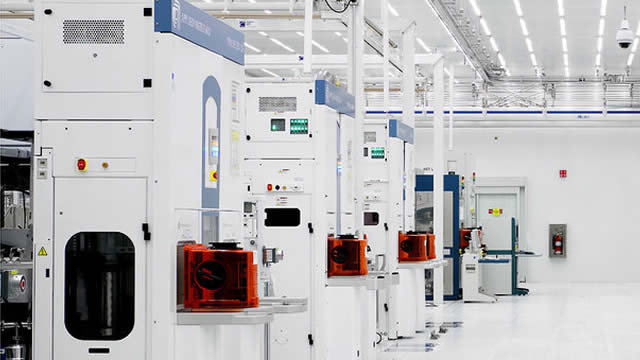
ASML’s IT systems, which manage everything from design and manufacturing to customer service and maintenance, are complex and critical to the company’s operations. A significant disruption to these systems can create a bottleneck in the production of photolithography machines, which are among the most advanced and expensive machines in the world. EUV machines, in particular, can take months to build and are vital for producing the next generation of semiconductors.
What Did ASML Say?
In a statement following the resolution of the IT outage, ASML acknowledged the disruption but emphasized that the incident did not compromise the company’s long-term goals or commitments to its customers. The company expressed appreciation for the swift efforts of its IT and crisis management teams to resolve the situation and assured stakeholders that all internal processes were being reviewed to prevent future occurrences.
“We regret any inconvenience caused by the outage and thank our teams for their quick and effective response,” said an ASML spokesperson. “While this incident was an unfortunate disruption, we are committed to continuing to deliver the highest quality products to our customers and maintain the operational excellence that ASML is known for.”
Looking Ahead: Lessons Learned
Although the IT outage was resolved without major consequences, ASML’s experience serves as a reminder of the interconnectedness of the global supply chain and the vulnerabilities that exist within it. With so much of the world’s technology relying on the cutting-edge machinery that ASML manufactures, any disruption—even a brief one—can have ripple effects far beyond the company’s walls.
ASML, like many tech companies, is investing heavily in improving its IT infrastructure and cybersecurity measures to protect against future disruptions. As global demand for semiconductors continues to rise, it is clear that maintaining operational continuity in the face of unexpected challenges is a critical priority for companies in this space.
The incident also highlighted the increasing importance of risk management and contingency planning within high-tech industries. As reliance on advanced technology grows, companies must ensure they are prepared for any eventuality, from natural disasters to cyberattacks to internal technical failures.
Conclusion
While the IT outage at ASML was a brief disruption, it nonetheless highlighted the critical importance of the company in the global semiconductor ecosystem. ASML’s swift response to the situation and the eventual resolution of the issue prevented long-term damage, but it served as a stark reminder of the vulnerabilities that exist in the complex world of high-tech manufacturing.
As the semiconductor industry continues to evolve, ASML’s role in shaping the future of microchip production cannot be overstated. The company’s resilience in the face of adversity, coupled with its ongoing efforts to strengthen its operations, will be crucial in meeting the ever-growing demand for semiconductor technologies in the years ahead.