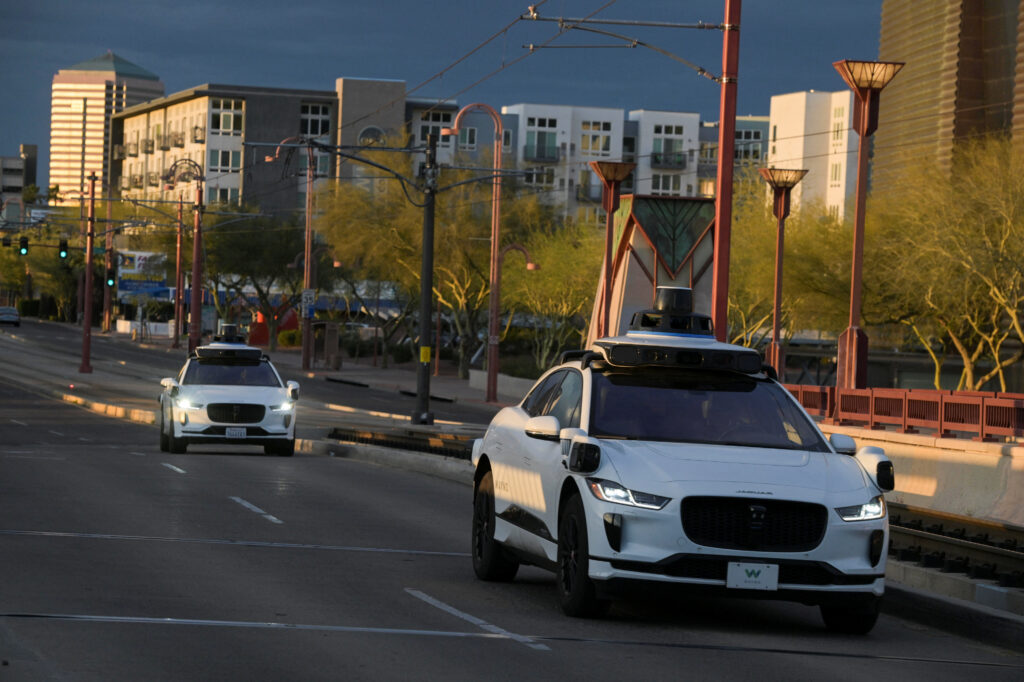

In a significant move for the autonomous vehicle industry, Alphabet Inc.’s Waymo has successfully closed a $5.6 billion funding round aimed at expanding its autonomous ride-hailing service. This substantial investment underscores the growing confidence in self-driving technology and Waymo’s position as a leader in the rapidly evolving landscape of mobility solutions.
Strengthening Autonomous Capabilities
Waymo, which originated as the Google self-driving car project, has made significant strides in developing its autonomous driving technology. The latest funding will be utilized to enhance its fleet of self-driving vehicles, improve its technology stack, and expand its ride-hailing operations. This move aligns with the company’s vision of making autonomous transportation a viable option for urban mobility.
Waymo has been testing its self-driving cars in various cities, including San Francisco and Phoenix, where it has already begun offering a limited ride-hailing service. The new funding will allow Waymo to scale its operations, ensuring that it can meet the growing demand for safe, efficient, and convenient transportation alternatives.
Key Investors and Strategic Partnerships
The funding round saw participation from a diverse group of investors, including institutional investors, venture capital firms, and strategic partners. The influx of capital not only bolsters Waymo’s financial position but also reflects a broader interest in the future of autonomous driving technology.
Moreover, Waymo has been actively forging partnerships with various automakers and technology companies to enhance its operational capabilities. Collaborations with industry leaders have allowed Waymo to leverage shared expertise and resources, accelerating the development and deployment of its autonomous systems.
Expanding the Ride-Hailing Network
With the new funding, Waymo plans to expand its autonomous ride-hailing service to more cities across the United States. The goal is to build a comprehensive network that offers seamless and reliable transportation options to users. By enhancing its service areas, Waymo aims to tap into the growing market for ride-hailing and provide consumers with a safe and affordable alternative to traditional taxis and ride-sharing services.
Waymo’s autonomous ride-hailing service, branded as Waymo One, has already garnered positive feedback from users who appreciate the safety and convenience of self-driving technology. As the company expands its service, it hopes to attract even more users by increasing the availability of vehicles and optimizing its technology for diverse urban environments.
Addressing Challenges and Regulations
While the funding represents a significant milestone for Waymo, the company still faces challenges in terms of regulatory approvals and public acceptance of autonomous vehicles. Many states have yet to establish clear regulations governing self-driving cars, and Waymo must navigate these complexities as it seeks to expand its operations.
Public perception of autonomous vehicles also plays a crucial role in Waymo’s success. The company is committed to educating consumers about the safety benefits of its technology and addressing concerns related to autonomous driving. By prioritizing transparency and communication, Waymo aims to build trust among potential users and stakeholders.
The Future of Autonomous Transportation
The $5.6 billion funding round is a testament to the potential of autonomous vehicles to revolutionize the transportation landscape. As cities continue to grow and urban congestion becomes a pressing issue, autonomous ride-hailing services like Waymo One could offer efficient solutions to meet mobility demands.
Waymo’s expansion plans come at a time when many companies are investing heavily in autonomous technology. Competitors such as Tesla, Cruise, and Aurora are also racing to develop self-driving systems, creating a dynamic and competitive environment in the industry. However, Waymo’s established track record and ongoing investments position it well to lead the charge toward widespread adoption of autonomous ride-hailing services.
Conclusion
With the successful closure of its $5.6 billion funding round, Waymo is poised to enhance its autonomous ride-hailing service and expand its operations across the United States. As the company navigates the complexities of regulation and public perception, it remains committed to providing safe, efficient, and reliable transportation solutions.
As we look to the future, the evolution of autonomous driving technology promises to reshape the way we think about mobility. With Waymo at the forefront of this transformation, the road ahead appears bright for the autonomous vehicle industry and the broader landscape of urban transportation.