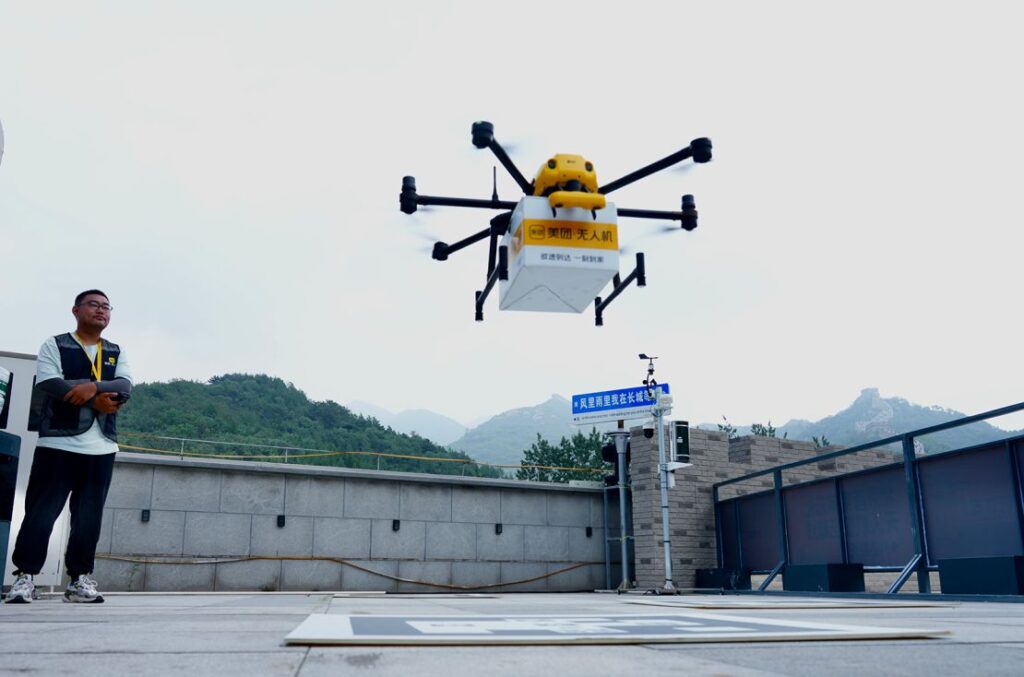

The Great Wall of China Can Now Get Takeout Delivered by Drone
In a remarkable fusion of ancient history and modern technology, visitors to certain sections of the Great Wall of China can now have their takeout delivered by drone. This futuristic service, launched in 2024, offers a unique and convenient way for tourists and hikers exploring the historic landmark to enjoy a meal without interrupting their adventure. The integration of drone technology with one of the world’s most iconic structures is a striking example of how innovation is transforming tourism and everyday conveniences.
The Rise of Drone Delivery Services
Drone delivery has been on the rise in recent years, driven by advancements in autonomous technology, battery life, and navigation systems. What once seemed like a distant dream is now becoming a practical reality in various parts of the world, with companies using drones to deliver everything from medical supplies to groceries.
In China, where technology adoption is rapid and the logistics industry is booming, drones are playing an increasingly important role in delivery services. Leading companies like JD.com and Meituan have been pioneering drone deliveries in urban and rural areas, often navigating complex terrains that would be challenging for traditional vehicles. Now, the technology has reached one of the country’s most famous landmarks: the Great Wall of China.
How It Works: Drone Delivery at the Great Wall
The idea of getting takeout delivered to the Great Wall was initially met with curiosity, but it quickly gained traction as tourists embraced the convenience. The service is currently available at select sections of the Great Wall, particularly in more remote and less commercialized areas where food options are limited.
Here’s how it works:
- Order Placement: Tourists exploring the Great Wall can use a mobile app to place their food orders from nearby restaurants that have partnered with the drone delivery service. The app is designed to integrate seamlessly with GPS, allowing users to pinpoint their exact location on the Wall.
- Drone Dispatch: Once the order is placed, a drone is dispatched from the restaurant’s base. These drones are equipped with advanced navigation systems that allow them to fly over the rugged terrain of the Great Wall and deliver the food directly to the specified location.
- Delivery: The drone arrives at the designated delivery spot, gently lowering the food via a winch or landing briefly to hand off the package. The entire process, from order to delivery, can take as little as 20-30 minutes, depending on the distance and weather conditions.
This service has become particularly popular with hikers who trek the less crowded and more physically demanding parts of the Great Wall. Instead of having to carry extra food or snacks, they can now enjoy fresh meals delivered right to them while taking in the breathtaking views.
Benefits of Drone Delivery at Historical Sites
The introduction of drone delivery services at historical sites like the Great Wall offers several unique benefits:
- Convenience: Drone delivery allows tourists to focus on their exploration without the hassle of carrying food or seeking out dining options. It also provides access to fresh, hot meals in areas where traditional food delivery is impractical.
- Minimizing Human Footprint: By using drones, the service reduces the need for delivery vehicles and human traffic in sensitive historical areas. This helps preserve the natural and historical integrity of the site, reducing wear and tear on ancient paths and staircases.
- Boosting Local Businesses: The service creates new opportunities for local restaurants and vendors to reach customers who would otherwise be out of their delivery range. This is especially valuable for businesses located in rural areas near the Great Wall.
- Enhancing the Tourist Experience: For many visitors, receiving a meal via drone at a UNESCO World Heritage site adds an extra layer of excitement to their experience. It blends the ancient wonder of the Great Wall with cutting-edge technology, making for a memorable trip.
Challenges and Considerations
While the idea of drone delivery at the Great Wall is exciting, it’s not without its challenges. One of the primary concerns is safety, particularly when it comes to flying drones in areas with high tourist traffic. Operators must ensure that drones are equipped with collision avoidance technology to prevent accidents.
Another consideration is the preservation of the historical site itself. Authorities need to strike a balance between modern conveniences and protecting the integrity of the Great Wall. Drones must adhere to strict regulations, including altitude limits and designated flight paths, to avoid damaging the structure or disturbing the natural environment.
Additionally, weather conditions can pose challenges for drone delivery. High winds, rain, and extreme temperatures can affect the drones’ ability to navigate safely, leading to potential delays or cancellations.
Looking to the Future
The success of drone delivery at the Great Wall of China could pave the way for similar services at other historical and remote tourist destinations around the world. From the peaks of Machu Picchu to the expansive deserts of Petra, drone technology has the potential to revolutionize the way people experience and enjoy these incredible landmarks.
As drone technology continues to evolve, we can expect even more sophisticated systems capable of delivering not just food, but other essentials like medical supplies and emergency equipment to difficult-to-reach areas. The integration of drones into tourism and logistics is just beginning, and the possibilities are vast.
Conclusion
The launch of drone-delivered takeout at the Great Wall of China is a testament to how technology is transforming even the most ancient and revered sites. By blending convenience with cultural heritage, this service offers a glimpse into the future of tourism, where the past and present coexist in innovative ways. As more tourists embrace this high-tech convenience, drone delivery could become a standard feature at many of the world’s most iconic landmarks.
For now, visitors to the Great Wall can enjoy their exploration with the added comfort of knowing that a fresh meal is just a drone flight away.