
“`html
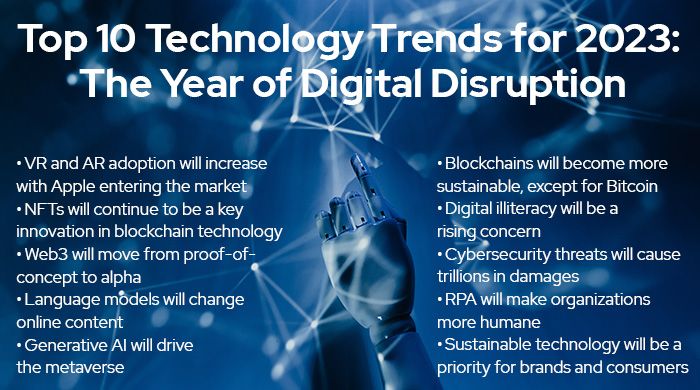
Tech Today: Disruption’s New Dawn
Introduction
Ever feel like you’re on a rollercoaster, except the track is being built while you’re already hurtling down it? That’s pretty much how the tech world feels right now. Disruption isn’t a buzzword anymore; it’s the everyday soundtrack to our digital lives. But instead of running for the emergency brake, maybe it’s time to embrace the ride. This isn’t just about surviving disruption; it’s about surfing the wave.
We’re not just talking about incremental changes or slightly faster gadgets. We’re talking about fundamental shifts in how we live, work, and interact. Artificial intelligence, blockchain, the metaverse – these aren’t just futuristic fantasies; they’re reshaping the landscape beneath our feet, sometimes in ways that can feel overwhelming. But fear not, tech enthusiasts and cautious observers alike! This isn’t a doomsday scenario. It’s a new dawn, and with the right perspective, we can harness the power of disruption for good.
The Short-Term Shocks and Long-Term Ripples
So, what’s causing all the commotion? Let’s break it down. In the short term, disruption can feel like a punch to the gut. Think about entire industries being upended by agile startups, established business models crumbling under the weight of innovation, and the constant pressure to reskill and adapt. The rise of remote work, accelerated by the pandemic, is a prime example. Companies scrambled to adapt, employees grappled with new tools and workflows, and the traditional office culture underwent a seismic shift. This immediate impact was chaotic, stressful, and for many, downright disruptive.
But look further down the line. The long-term ripples of this remote work revolution are potentially transformative. Increased flexibility, reduced commuting times, access to a wider talent pool, and a greater emphasis on work-life balance – these are all potential benefits that could reshape our society for the better. The key is navigating the short-term chaos to realize the long-term gains.
Similarly, AI, while promising incredible advancements in healthcare, education, and countless other fields, also presents short-term challenges. Concerns about job displacement, algorithmic bias, and the ethical implications of autonomous systems are valid and need to be addressed. However, if we can proactively manage these challenges, AI has the potential to unlock unprecedented levels of productivity, creativity, and innovation, leading to a more efficient and prosperous future.
Navigating the Rapids: Practical Solutions for a Disruptive World
Okay, so we’ve established that disruption is here to stay. Now what? Here are a few practical solutions to not just survive but thrive in this new landscape:
- Embrace Lifelong Learning: This isn’t just a nice-to-have; it’s a necessity. The skills that are valuable today might be obsolete tomorrow. Invest in continuous learning, whether it’s online courses, workshops, or even just reading industry publications. Platforms like Coursera, Udemy, and LinkedIn Learning offer a vast array of courses to upskill and reskill in various tech-related areas. For example, a marketing professional might need to learn about AI-powered marketing tools to stay competitive, or a project manager might benefit from understanding agile methodologies.
- Foster a Culture of Innovation: This applies to both individuals and organizations. Encourage experimentation, embrace failure as a learning opportunity, and be open to new ideas. Companies like Google and 3M are famous for their “20% time” policies, allowing employees to dedicate a portion of their workweek to personal projects. This fosters creativity and innovation, leading to groundbreaking products and services. At a personal level, this might involve participating in hackathons, contributing to open-source projects, or simply experimenting with new technologies in your spare time.
- Build Resilient Systems: Whether it’s your business or your career, build in redundancies and contingency plans. Don’t put all your eggs in one basket. This could mean diversifying your skills, building a robust network of contacts, or implementing flexible infrastructure that can adapt to changing market conditions. For businesses, this might involve adopting cloud-based solutions that offer scalability and redundancy, or diversifying their product offerings to mitigate risk.
- Focus on Adaptability and Agility: Traditional, rigid structures are ill-equipped to handle the rapid pace of change. Embrace agile methodologies, promote cross-functional collaboration, and empower employees to make decisions quickly. Spotify, for example, is known for its agile organizational structure, with small, autonomous teams (squads) working on specific features. This allows them to iterate quickly and respond rapidly to user feedback. Individuals can also adopt an agile mindset by breaking down large goals into smaller, manageable tasks, prioritizing tasks based on their value, and continuously evaluating and adjusting their approach.
- Prioritize Ethical Considerations: As technology becomes more powerful, it’s crucial to consider the ethical implications. Develop ethical frameworks for AI, data privacy, and other emerging technologies. This includes addressing issues like algorithmic bias, ensuring transparency and accountability, and protecting user data. Companies like Salesforce are actively working to develop ethical guidelines for AI development and deployment, emphasizing fairness, accountability, and transparency. Individuals can also contribute by advocating for ethical tech policies, supporting organizations that promote responsible technology development, and being mindful of the ethical implications of their own tech usage.
Alternative Approaches: Finding Your Fit
The beauty of disruption is that it doesn’t demand a one-size-fits-all solution. Here are a few alternative approaches you can consider:
- The Early Adopter: Embrace new technologies with open arms and be on the cutting edge. This approach is ideal for individuals and organizations that are comfortable with risk and have the resources to invest in emerging technologies.
- The Fast Follower: Let others pave the way, then quickly adopt proven technologies. This approach is less risky than being an early adopter but still allows you to benefit from innovation.
- The Cautious Observer: Monitor trends closely and adopt new technologies only when they become mainstream. This approach is best suited for individuals and organizations that are risk-averse and prefer to stick with proven technologies.
- The Niche Specialist: Focus on a specific area of expertise and become a leader in that niche. This approach allows you to differentiate yourself from the competition and build a loyal customer base.
A Future Forged in Adaptation
Disruption isn’t a threat; it’s an opportunity. It’s a chance to reinvent ourselves, our businesses, and our society. By embracing lifelong learning, fostering a culture of innovation, building resilient systems, focusing on adaptability, and prioritizing ethical considerations, we can not only navigate the rapids of change but also harness the power of disruption for a brighter future.
The key is to be proactive, not reactive. Don’t wait for disruption to knock on your door; go out and meet it head-on. Experiment, learn, adapt, and never stop questioning the status quo. The future belongs to those who are willing to embrace change and shape it to their advantage. It’s time to step up, take the reins, and ride this wave of disruption to a new dawn of innovation and opportunity. Are you ready?
“`
