
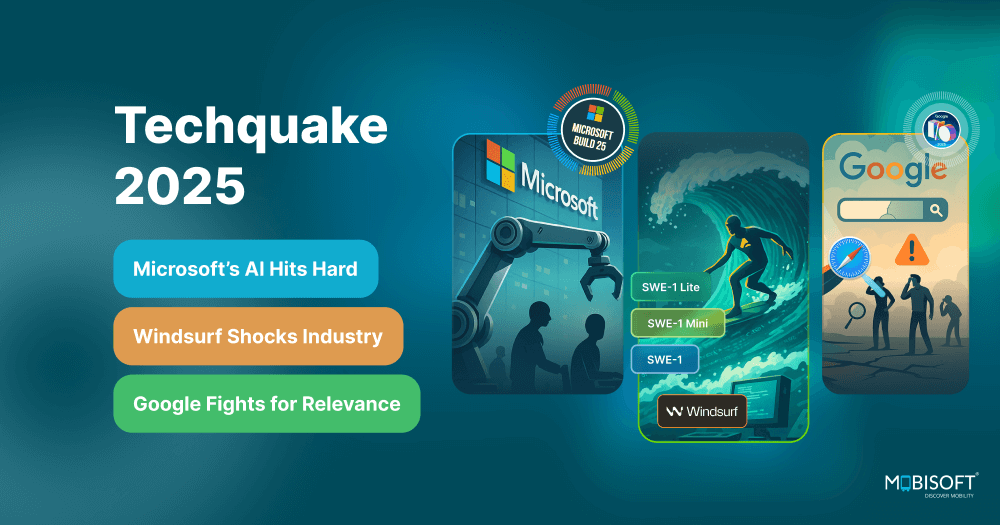
Techquake:The Future Just Trembled
Introduction
Remember when the biggest disruption in your day was a slow internet connection?Those were the good old days.Buckle up,because the digital landscape is shifting faster than ever,and the tremors we’re feeling are just the prelude to a full-blown Techquake.
Think about it:AI is writing code,driverless cars are inching closer to reality,and blockchain is promising to revolutionize everything from supply chains to voting systems.These aren’t just buzzwords anymore.They’re seismic shifts poised to reshape how we live,work,and interact.But with great power comes great disruption.Are we ready for the aftershocks?
The Immediate Fallout:What You’ll Notice First
The short-term impacts of this technological upheaval are already becoming clear.Here’s what you can expect to see happening now and in the very near future:
- Job Displacement(and Creation): Let’s be blunt.AI and automation are coming for some jobs.Repetitive tasks,data entry,even some analytical roles are increasingly vulnerable.But it’s not all doom and gloom.New roles will emerge,requiring skills in AI management,data science,cybersecurity,and creative problem-solving.The catch?You need to be ready to learn new tricks.
- The Skills Gap Widens: The demand for tech-savvy professionals is exploding,but the supply isn’t keeping up.Companies are struggling to find qualified candidates in fields like cloud computing,cybersecurity,and AI.This skills gap is creating bottlenecks and hindering innovation.
- Erosion of Trust: Deepfakes,misinformation,and sophisticated cyberattacks are eroding trust in information sources.It’s becoming increasingly difficult to distinguish between what’s real and what’s fabricated.This has serious implications for democracy,business,and personal relationships.
- Cybersecurity on Steroids: As our lives become more digital,the threat of cyberattacks intensifies.Ransomware attacks,data breaches,and identity theft are becoming more sophisticated and frequent,targeting individuals,businesses,and even critical infrastructure.
Long-Term Tectonic Shifts:The World Five to Ten Years Out
Looking further ahead,the Techquake promises to reshape society in profound ways:
- The Metaverse Takes Hold(Maybe): The Metaverse,or some version of it,could become a significant part of our daily lives.Imagine working,socializing,and shopping in immersive digital environments.The potential is enormous,but so are the challenges related to privacy,security,and accessibility.
- AI Becomes Ubiquitous: AI will be embedded in virtually everything we do,from personalized healthcare to smart cities.It will automate tasks,augment human capabilities,and make decisions on our behalf.Ethical considerations and the potential for bias will become paramount.
- The Rise of Decentralization: Blockchain technology and decentralized autonomous organizations(DAOs) could disrupt traditional power structures and enable new forms of governance and collaboration.Imagine a world where communities,rather than corporations,control their own data and resources.
- The Human-Machine Interface Evolves: Brain-computer interfaces(BCIs) and other advanced technologies could blur the lines between humans and machines.Imagine controlling devices with your thoughts or augmenting your cognitive abilities with AI.The ethical and societal implications are staggering.
Navigating the Quake:Practical Solutions
So,how do we navigate this turbulent landscape and emerge stronger on the other side?Here are some practical steps you can take:
- Embrace Lifelong Learning: The single most important thing you can do is commit to continuous learning.Take online courses,attend workshops,read industry publications,and network with other professionals.Focus on developing in-demand skills like data analysis,cloud computing,cybersecurity,and AI.
- Example: Platforms like Coursera,edX,and Udacity offer a wide range of courses in these areas,often taught by leading experts.
- Future-Proof Your Career: Identify the skills that are likely to be in demand in the future and start developing them now.Consider pivoting to a career path that is less susceptible to automation.Focus on roles that require creativity,critical thinking,and emotional intelligence – skills that are difficult for machines to replicate.
- Case Study: A former accountant,seeing the rise of AI in accounting software,retrained as a data analyst and now works for a fintech company.
- Become Cyber-Aware: Educate yourself about cybersecurity threats and take steps to protect your data and privacy.Use strong passwords,enable two-factor authentication,be wary of phishing scams,and keep your software up to date.
- Example: Use a password manager like LastPass or 1Password to generate and store strong passwords.
- Cultivate Critical Thinking: Develop your ability to evaluate information critically and identify biases.Be skeptical of what you read online,especially on social media.Seek out diverse perspectives and sources of information.
- Tip: Fact-checking websites like Snopes and PolitiFact can help you verify the accuracy of information.
- Engage in Ethical Discussions: Participate in conversations about the ethical implications of new technologies.Support policies and regulations that promote responsible innovation and protect human rights.
- Example: Join online forums or attend community events that focus on AI ethics and governance.
- Embrace adaptability: Be open to change and ready to adapt to new technologies and ways of working.The ability to learn quickly and embrace new challenges will be essential for success in the future.
- Case Study: A manufacturing company that invested in training its employees on new automation technologies was able to increase productivity and reduce costs,while also improving employee morale.
Alternative Approaches:Tailoring Your Response
Not every solution works for everyone.Here are some alternative approaches to consider:
- Focus on Niche Skills: Instead of trying to master everything,specialize in a niche area where you can become an expert.This can make you more valuable to employers and give you a competitive edge.
- Start Your Own Business: If you have an entrepreneurial spirit,consider starting a business that leverages new technologies to solve a problem or create value.
- Join a Community: Connect with other people who are interested in technology and innovation.Sharing ideas and resources can help you stay informed and motivated.
- Advocate for Change: Get involved in advocating for policies that support responsible technology development and address the challenges of the Techquake.
The Aftermath:A Brighter Future?
The Techquake is undoubtedly disruptive,but it also presents immense opportunities.By embracing lifelong learning,developing critical thinking skills,and engaging in ethical discussions,we can navigate this turbulent landscape and build a future that is more innovative,equitable,and sustainable.
The future isn’t something that happens to us;it’s something we create.So,let’s roll up our sleeves,embrace the challenge,and build a future worth living in.The tremors may be unsettling,but they also signal the potential for groundbreaking change.It’s time to get involved and shape the future you want to see.
