
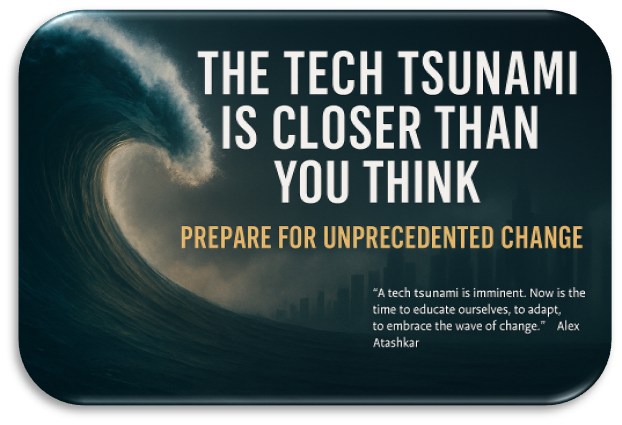
Tech Tsunami: What You Need to Know NOW
Introduction
Ever feel like you’re standing on the beach, enjoying the calm, only to glance out and see a massive wave of tech innovations barreling toward you? That’s the “Tech Tsunami” we’re talking about. It’s not a single event, but a constant surge of new technologies, each threatening to disrupt the status quo, redefine industries, and even change the way we live. Ignoring it isn’t an option. Buckle up, because we’re diving into the heart of this tsunami and learning how to navigate it.
The Short-Term Ripple: Immediate Impacts
Right now, the tech wave is already making significant impacts. Think about how quickly AI-powered tools have infiltrated our daily lives. From chatbots handling customer service to algorithms curating our news feeds, AI is everywhere. But this rapid adoption isn’t without its challenges.
- Job Displacement: Automation, driven by AI and robotics, is changing the job market. Repetitive tasks are increasingly being handled by machines, leading to concerns about job losses in certain sectors.
- Cybersecurity Threats: As our reliance on technology grows, so does our vulnerability to cyberattacks. Sophisticated phishing scams, ransomware attacks, and data breaches are becoming more frequent and more damaging.
- Information Overload: We’re bombarded with information from all sides, making it difficult to discern what’s true and what’s not. The spread of misinformation can have serious consequences, affecting everything from public health to political discourse.
- Skill Gaps: Many individuals and organizations lack the skills needed to effectively use new technologies. This creates a gap between those who can thrive in the digital age and those who are left behind.
The Long-Term Surge: Transformative Changes
Looking further down the line, the Tech Tsunami promises even more profound changes. These aren’t just tweaks to the way we do things, but fundamental shifts in how our society and economies operate.
- The Future of Work: The nature of work will continue to evolve, with a greater emphasis on creativity, critical thinking, and problem-solving skills. Remote work will become even more prevalent, blurring the lines between work and personal life.
- The Rise of the Metaverse: Virtual and augmented reality technologies will create immersive digital experiences, transforming how we interact with each other, consume entertainment, and even conduct business.
- Personalized Healthcare: Technology will enable more personalized and proactive healthcare, with wearable devices monitoring our health and AI algorithms analyzing our data to predict and prevent diseases.
- Sustainable Solutions: Technology will play a crucial role in addressing climate change, with innovations in renewable energy, carbon capture, and sustainable agriculture.
Riding the Wave: Practical Solutions
So, how do we navigate this Tech Tsunami and turn its challenges into opportunities? Here are some practical solutions that individuals and organizations can implement:
- Embrace Lifelong Learning:
The most crucial skill in the digital age is the ability to learn continuously.
- Online Courses: Platforms like Coursera, edX, and Udemy offer a vast array of courses on everything from AI and machine learning to cybersecurity and data science.
- Professional Certifications: Earning industry-recognized certifications can validate your skills and demonstrate your commitment to staying up-to-date.
- Mentorship Programs: Connecting with experienced professionals in your field can provide valuable insights and guidance.
Example: Sarah, a marketing manager, realized her skills were becoming outdated. She enrolled in a digital marketing certification program, learned about SEO, social media marketing, and data analytics. Within a year, she landed a promotion and significantly improved her company’s online presence.
- Prioritize Cybersecurity:
Protecting your data and systems is more critical than ever.
- Employee Training: Conduct regular training sessions to educate employees about cybersecurity threats and best practices.
- Multi-Factor Authentication: Implement multi-factor authentication for all critical accounts and systems.
- Regular Security Audits: Conduct regular security audits to identify vulnerabilities and ensure your systems are protected.
Example: A small accounting firm suffered a ransomware attack that encrypted all of its data. They had to pay a hefty ransom to regain access, which significantly impacted their business. After the incident, they implemented a comprehensive cybersecurity plan, including employee training, multi-factor authentication, and regular backups.
- Cultivate Critical Thinking:
Learn to discern credible information from misinformation.
- Fact-Checking Websites: Use fact-checking websites like Snopes and PolitiFact to verify information before sharing it.
- Media Literacy: Develop your media literacy skills to critically evaluate the sources and biases of information.
- Diverse Perspectives: Seek out diverse perspectives and opinions to gain a more comprehensive understanding of complex issues.
Example: During the pandemic, many people shared false information about COVID-19 vaccines. By using fact-checking websites and consulting with healthcare professionals, they were able to separate fact from fiction and make informed decisions about their health.
- Foster Innovation:
Encourage experimentation and creativity within your organization.
- Innovation Labs: Create dedicated innovation labs where employees can experiment with new technologies and develop new ideas.
- Hackathons: Host hackathons to encourage employees to collaborate and develop innovative solutions to business challenges.
- Open Innovation: Partner with external organizations and individuals to access new ideas and technologies.
Example: Google famously allows its employees to spend 20% of their time working on projects of their own choosing. This has led to the development of many successful products, including Gmail and AdSense.
- Embrace Flexibility:
Be prepared to adapt to changing circumstances.
- Agile Methodologies: Adopt agile methodologies to enable your organization to respond quickly to changing market conditions.
- Remote Work Policies: Implement flexible remote work policies to attract and retain talent.
- Continuous Improvement: Embrace a culture of continuous improvement, constantly seeking ways to optimize processes and improve performance.
Example: A retail company that was slow to adapt to e-commerce lost significant market share to online competitors. After implementing a digital transformation strategy and embracing agile methodologies, they were able to quickly develop and launch new online services and regain their competitive edge.
Alternative Approaches:
- Government Initiatives: Governments can play a role by investing in education and training programs, supporting research and development, and creating regulations that promote innovation and protect consumers.
- Industry Collaboration: Companies can collaborate to develop common standards, share best practices, and address common challenges.
- Community Engagement: Engaging with local communities can help to ensure that technology is used in a way that benefits everyone.
Turning the Tide: A Call to Action
The Tech Tsunami is not something to be feared, but rather an opportunity to be embraced. By taking proactive steps to learn, adapt, and innovate, we can ride this wave and create a better future for ourselves and for generations to come. Don’t wait for the wave to crash over you. Dive in, learn to swim, and become a master of the digital ocean. The future is being written now, and you have the power to shape it. Are you ready to take action?
